Forest restoration puzzle games: the basics
These games combine bite-sized puzzles with the slow joy of bringing a faded forest back to life. Here is how the genre usually works and what to expect when you start playing.
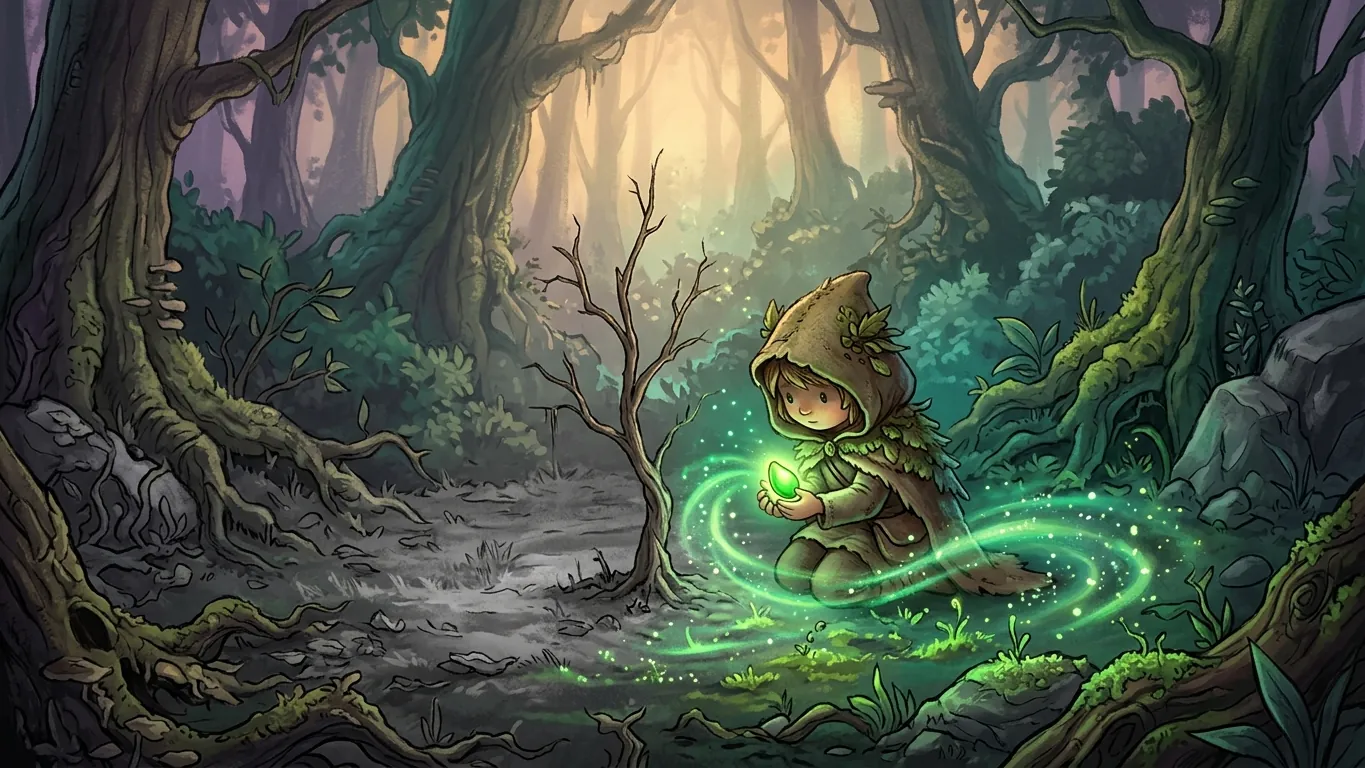
The core loop: solve, earn, restore
Most forest restoration puzzle games are built on a simple rhythm. You play a puzzle, you earn something for completing it, and you spend that reward to repair a piece of the forest. Then you do it again.
The puzzle part might be a matching board, a merge grid or a logic riddle. The reward is often stars, seeds, magic essence or a similar in-game resource. The restoration part is where the magic happens: you choose to revive a tree, clear a choked stream or rebuild a little bridge, and the world visibly changes.
This loop is what gives the genre its pull. Each puzzle is short, but every one of them pushes the larger forest a step closer to full bloom.
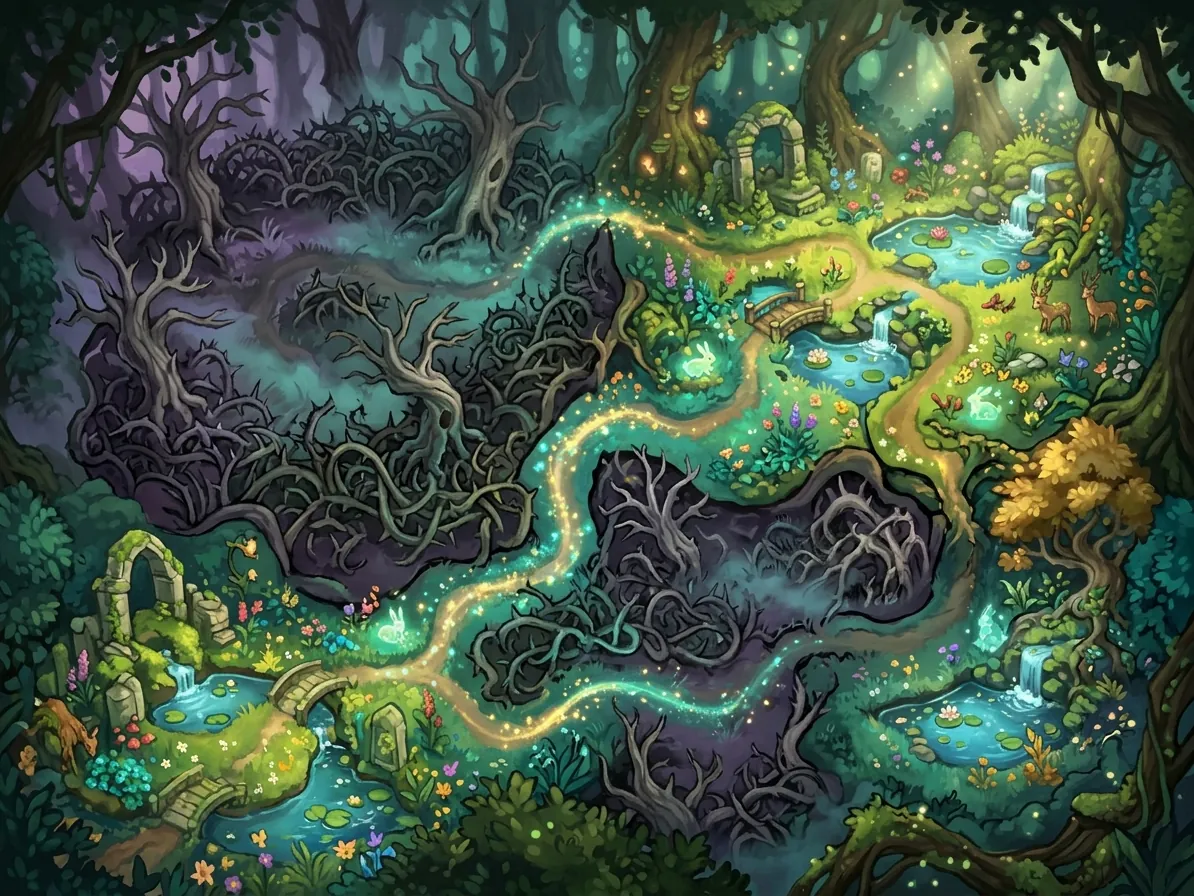
Common puzzle styles you will meet
The most familiar style is the match-three board, where you swap neighboring tiles such as leaves, acorns and flowers to make lines of three or more. Matching larger groups usually creates special tiles that clear bigger areas.
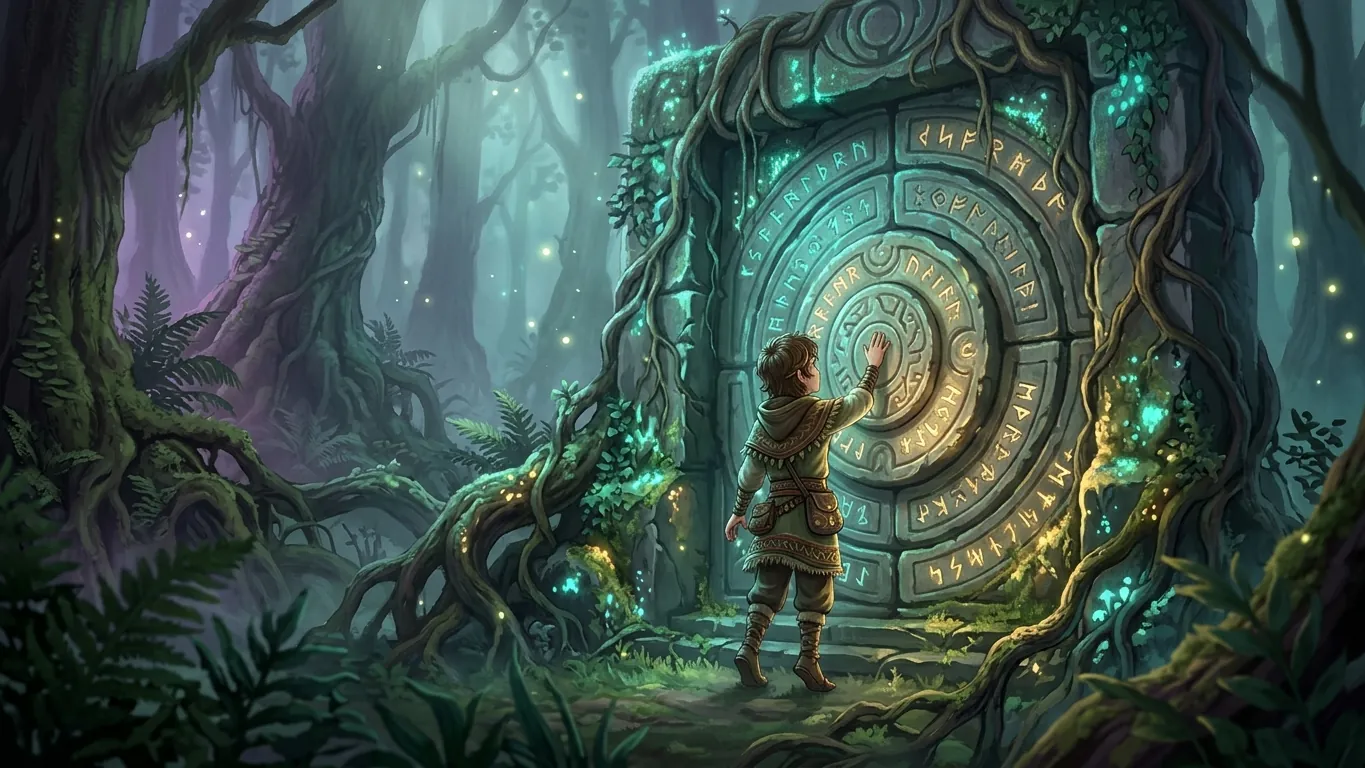
Merge puzzles ask you to combine identical items into better ones, turning seeds into saplings and saplings into trees. Logic puzzles, on the other hand, give you a fixed problem to reason through, like rotating stones to guide water to a thirsty root or arranging crystals to bounce a beam of light.
Many games mix more than one style, so you might clear a matching board on one level and solve a quiet path puzzle on the next.
Restoration as the reward layer
The restoration layer, sometimes called the meta layer, is what separates these games from a plain puzzle collection. Instead of chasing a score, you are rebuilding a place.
Often you get some choice in what to fix first. One player may want the waterfall flowing right away, while another prefers to revive the meadow so a family of deer can return. Some games offer decorative options, letting you pick the color of a bridge or the style of a lantern.
Because restoration is tied to progress, it also works as a gentle progress bar. You can look at the forest at any moment and see exactly how far you have come.
Story, characters and forest spirits
Many games in this genre wrap their puzzles in a light story. A curse, a long winter or a fading magic has dimmed the woods, and you play as a keeper, a young druid or a curious traveler trying to set things right.
Along the way you usually meet companions: talking animals, mushroom folk or shy spirits who explain what each area needs. Their dialogue tends to be short and warm, and it often hints at what the next puzzle mechanic will be.
If you mainly care about puzzles, you can usually skim the story. If you enjoy characters, these small scenes give each restored grove a sense of meaning.
Choosing a game that suits how you play
Before you settle into a forest restoration game, think about what you want from it. Do you enjoy fast boards with chain reactions, or do you prefer slow logic puzzles you can mull over? Do you like playing in short bursts, or long relaxed sessions?
It also helps to check how the game handles energy systems, timers and optional purchases. Some games let you play as much as you like, while others limit attempts and refill them over time. Neither approach is right or wrong, but knowing in advance helps you pick a game that fits your routine.
Whatever you choose, take your time with the tutorials. They often explain small rules that make a big difference later on.
Related articles
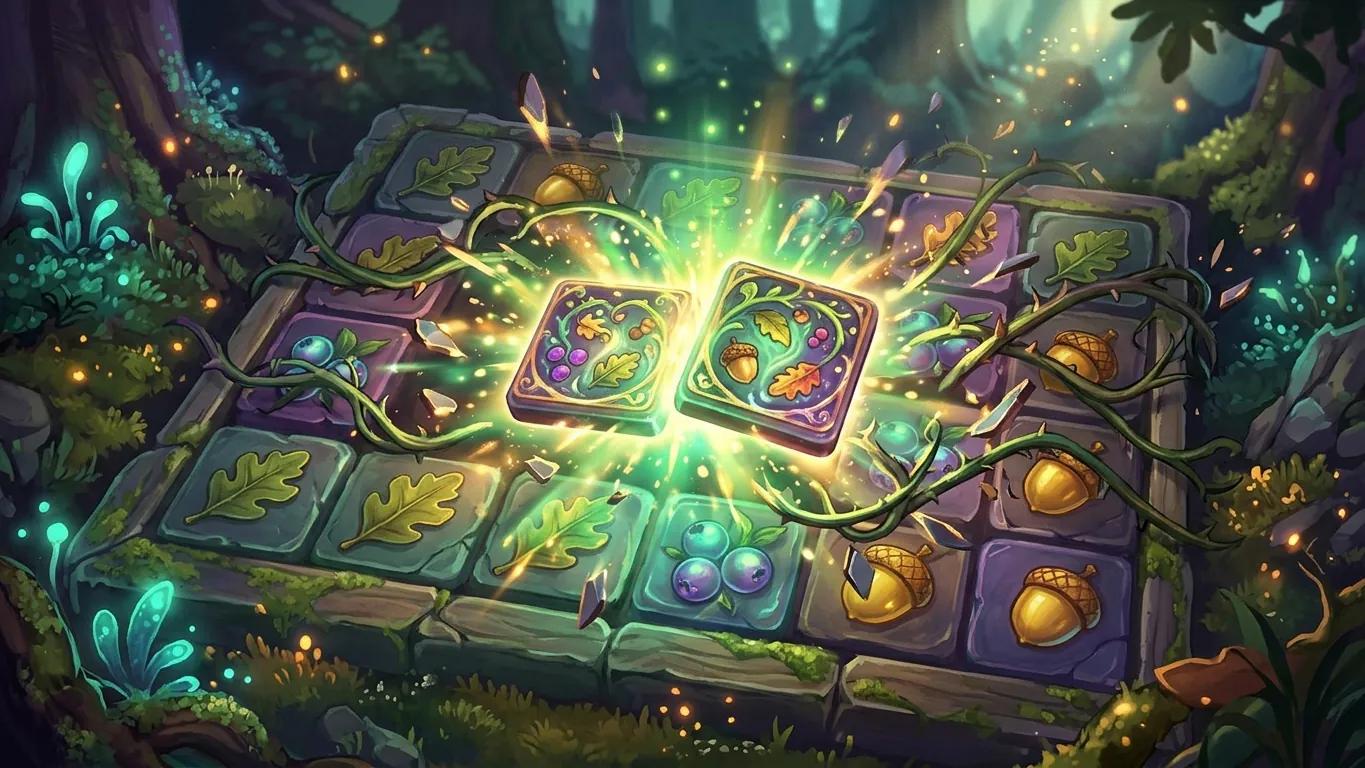 Planning moves on enchanted tile boards
A practical guide to reading forest puzzle boards, creating special tiles, clearing vines and frost, and making every move count on tricky levels.
Read more
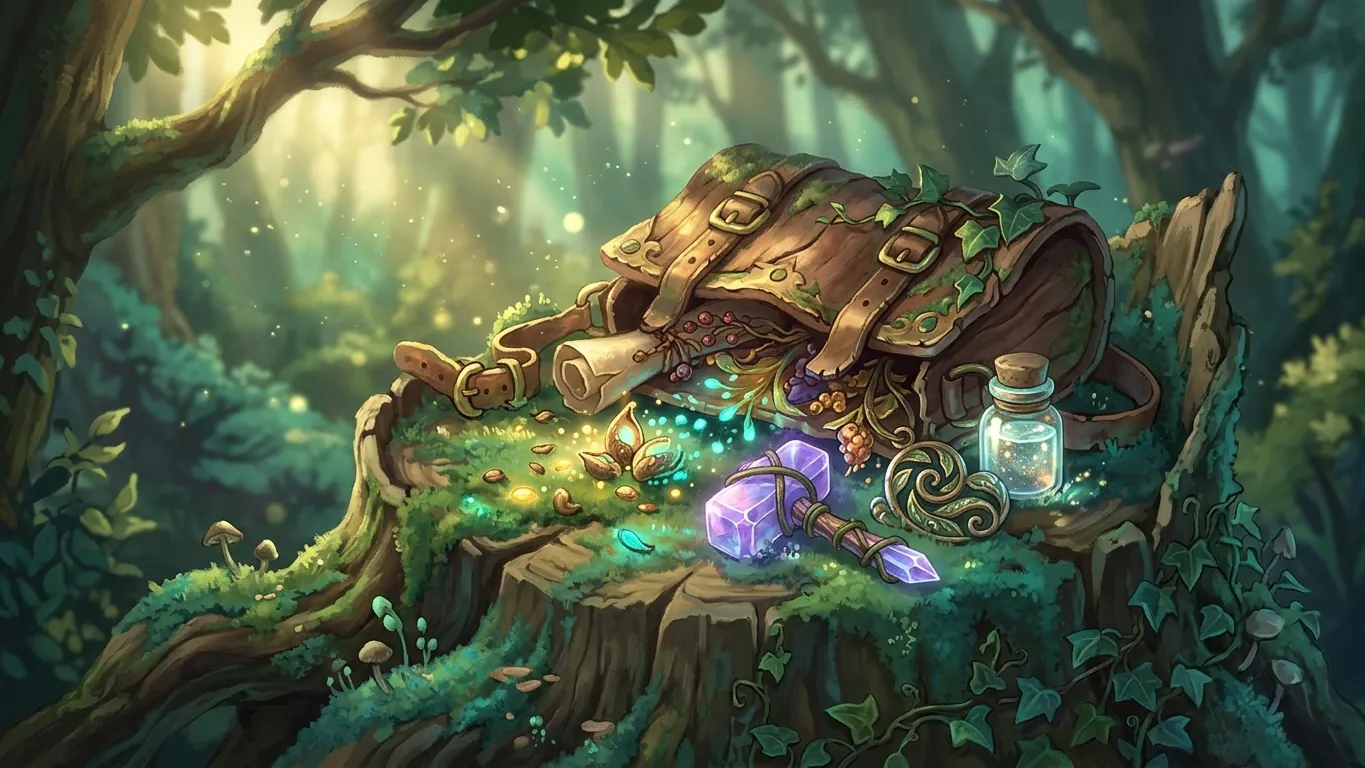 Spending energy, seeds and boosters wisely
Tips for managing energy, in-game currency and boosters in forest restoration puzzle games so you can progress steadily and play at your own pace.
Read more
 Logic puzzles of the enchanted grove, explained
An explainer on the path, rotation, light and pattern puzzles found in forest restoration games, with ways to approach puzzle types you have not seen.
Read more