Spending energy, seeds and boosters wisely
Resources in forest puzzle games are easy to burn through without noticing. These tips help you use them with intention and keep your play relaxed.
Know what each resource actually does
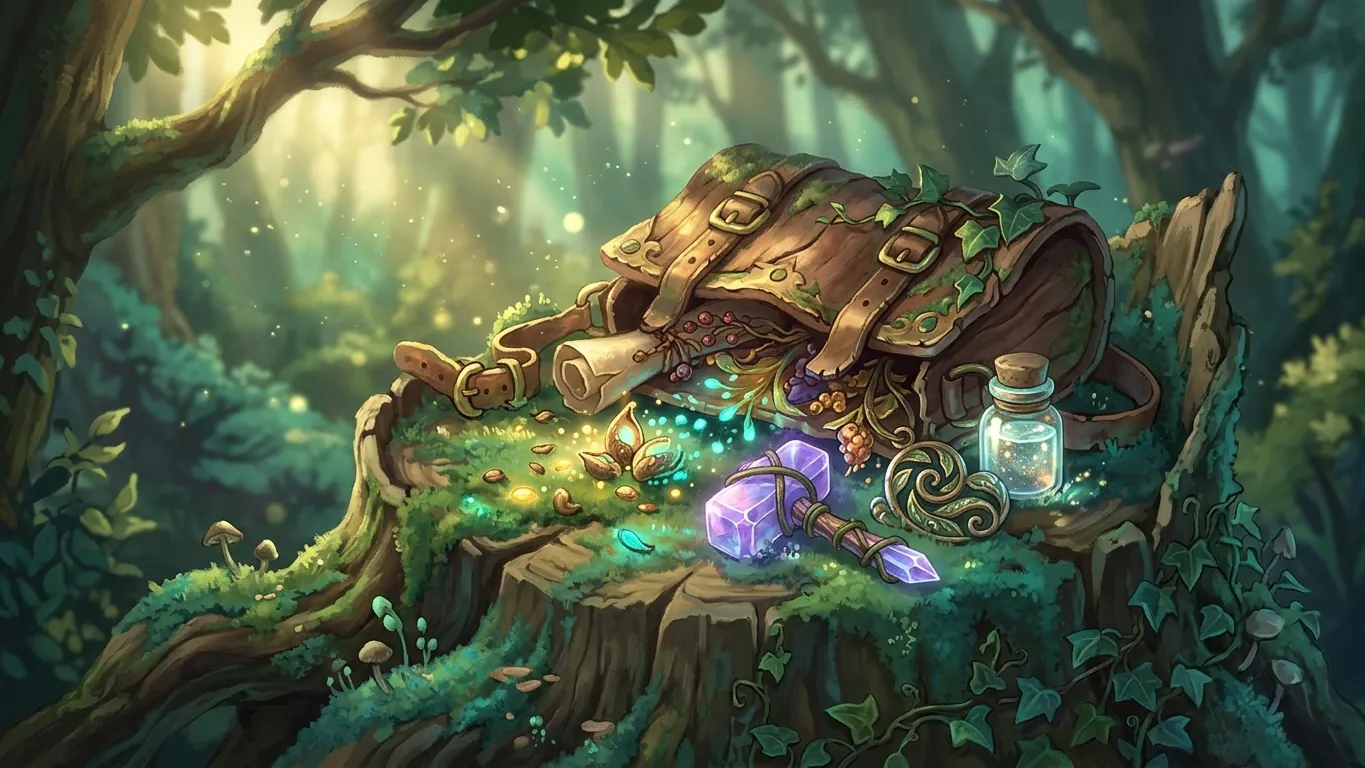
Forest restoration games often juggle several resources at once. There may be energy or lives that limit how many attempts you get, a soft currency earned from play, a rarer currency, restoration materials like seeds or stars, and boosters that help on tough boards.
Before you spend anything, take a moment to learn what each one is for and how you earn it. Some resources refill on a timer, others only come from completing levels or events. Understanding the source tells you how carefully to spend.
If the game has a help screen or glossary, it is worth reading once. A few minutes there can save a lot of confusion later.
Save boosters for levels that need them
Boosters are satisfying to use, but spending them on a level you could clear with a second try leaves you short when a truly stubborn board appears.
A good rule of thumb is to attempt a level at least once or twice without boosters. That way you learn its layout and know which tool would actually help. A line-clearing booster is great for a column of frost, while a shuffle may rescue a board with no good moves.
It also helps to pick boosters that address the specific goal. If the level is about freeing trapped creatures in corners, a tool that clears a wide area near them is more useful than one that adds general chaos.
Timers, energy and pacing yourself
Many games limit play with energy that refills over time. Instead of seeing this as a wall, you can treat it as a natural pause. Play until your energy runs low, then step away and come back later with fresh eyes.
This rhythm can actually improve your results. Tired, rushed attempts tend to waste moves, while a short break often makes a tricky board look different.
If a game offers timed events, decide in advance how much they matter to you. Joining every event can turn a cozy game into a chore, so it is fine to skip the ones that do not interest you.
Choosing what to restore first
When the game lets you decide which part of the forest to rebuild, your choices can matter. Some restorations unlock new areas or features, while others are purely decorative.
If you want steady progress, prioritize repairs that open the next region or reveal new characters. Decorative upgrades are lovely, but they can wait until you have materials to spare.
That said, this is your forest. If reviving a particular grove makes you happy and keeps you playing, that is a perfectly good reason to choose it.
A note on optional purchases
Many forest puzzle games are free to start and include optional purchases for currency, boosters or extra energy. Whether to buy anything is entirely your decision.
If you do choose to spend, it helps to set a personal limit before you start playing rather than in the middle of a frustrating level. Check the price in your own currency, read what you are actually getting, and remember that most levels can be cleared with patience and a few extra attempts.
Most games also allow purchase controls through your device settings. If others in your household play, take a look at those options.
Related articles
 Logic puzzles of the enchanted grove, explained
An explainer on the path, rotation, light and pattern puzzles found in forest restoration games, with ways to approach puzzle types you have not seen.
Read more
 Why restoring a virtual forest feels so rewarding
An opinion piece on why forest restoration puzzle games are so satisfying, from visible progress to nurturing play, and where the formula can improve.
Read more
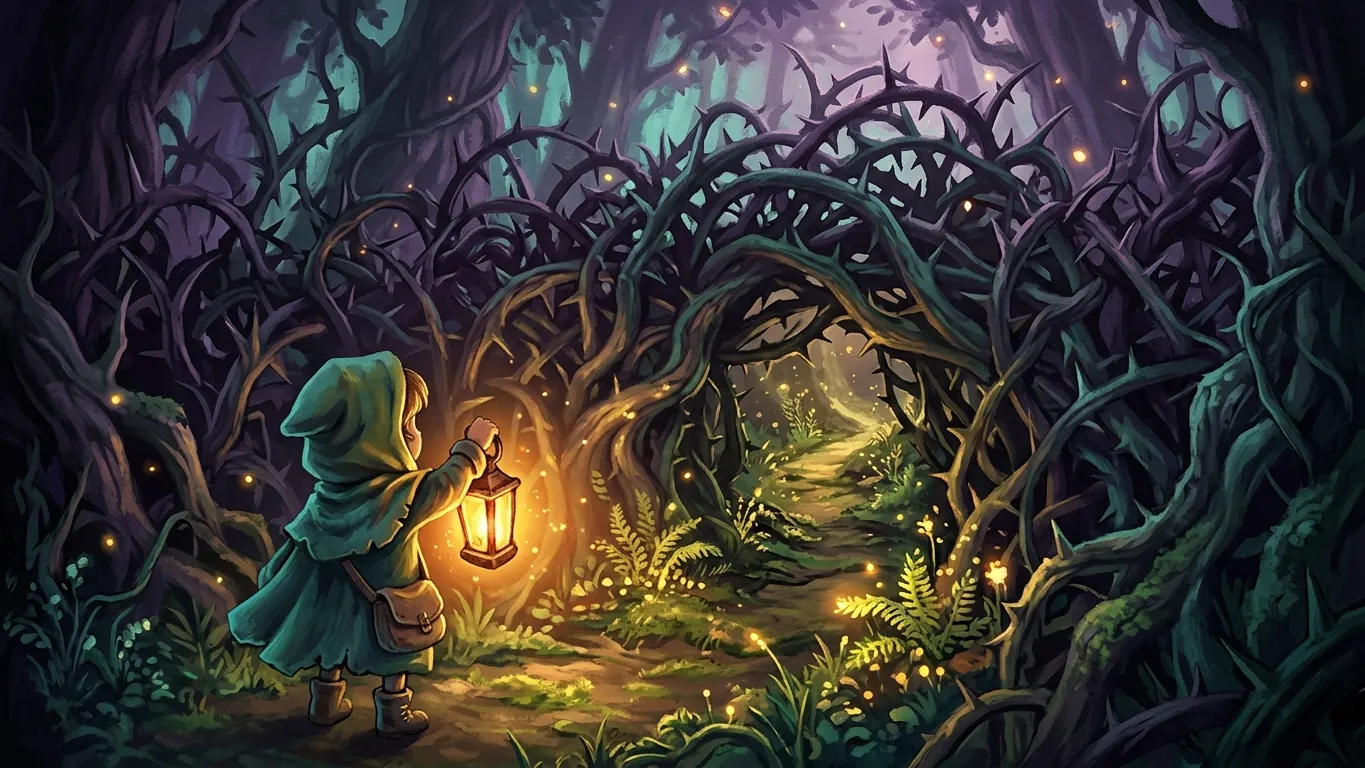 Getting unstuck on hard forest puzzle levels
Stuck on a tough forest puzzle level? Learn how to spot what is blocking you, retry with a plan and know when a short break is the smarter move.
Read more