Why restoring a virtual forest feels so rewarding
There is something special about watching a grey, silent forest slowly fill with color and life because of puzzles you solved. Here is our take on why the genre works so well, and where it could grow.
Progress you can actually see
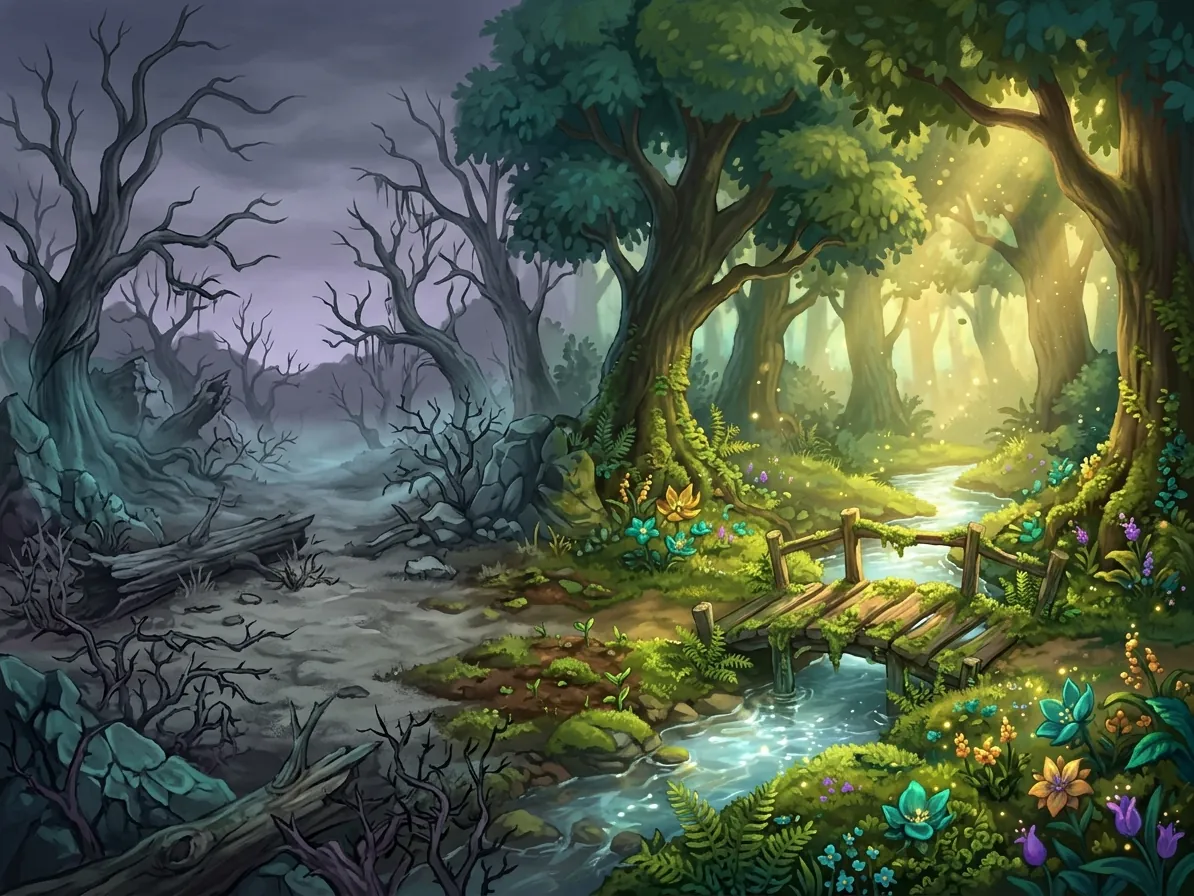
In many puzzle games, progress is a number or a level counter. In forest restoration games, progress is a place. You can scroll back to the first clearing you repaired and see a lively meadow where there was once only dust and dead branches.
That visible change makes even small sessions feel meaningful. Clearing three boards on a busy evening might only fix a little bridge, but it is your bridge, and it will still be there tomorrow.
We think this is the genre's greatest strength. It turns abstract puzzle wins into something you can look at and remember.
Small goals and a steady rhythm
Forest restoration games are usually built from short steps. One level, one reward, one repair. That structure makes it easy to pick up the game for a few minutes and put it down again without losing your place.
We appreciate that rhythm, especially compared to games that demand long sessions. It suits playing on a commute, during a break or before bed. You decide how far to go.
Of course, short loops can also make it easy to keep tapping longer than planned. Part of enjoying the genre is noticing when you have had enough for the day.
Nurturing instead of conquering
A lot of games ask you to defeat, capture or dominate. Forest restoration games ask you to heal. Your victories are measured in flowers that open and creatures that return, not in enemies beaten.
That gentler framing gives the genre a distinctive mood. It is still challenging, and some levels can be genuinely tough, but the goal always feels kind. We think that is a big part of why these games appeal to players who do not usually think of themselves as gamers.
Where the formula can fall short
No genre is perfect. Some forest puzzle games lean heavily on energy timers or difficulty spikes that seem designed to push players toward boosters. When that happens, the cozy feeling can fade quickly.
Restoration can also become repetitive if every repair is just another tap on a button. The most memorable games give choices that matter, like deciding which area to revive first or how to decorate a grove.
We would also love to see more variety in puzzle types within a single game, mixing matching boards with thoughtful logic puzzles.
What we hope future forest games explore
We would enjoy seeing forests that respond to how you restore them, with different creatures moving in depending on which areas you prioritize. Seasons that change the look of a finished forest could make returning to old areas feel fresh.
Most of all, we hope the genre keeps its heart: patient, hopeful play where your effort leaves something beautiful behind. If you have your own wishes for future forest games, we would love to hear them through the contact form.
Related articles
 Getting unstuck on hard forest puzzle levels
Stuck on a tough forest puzzle level? Learn how to spot what is blocking you, retry with a plan and know when a short break is the smarter move.
Read more
 Forest restoration puzzle games: the basics
New to puzzle games about restoring a magical forest? Learn the core loop, common puzzle styles and how restoration rewards your progress.
Read more
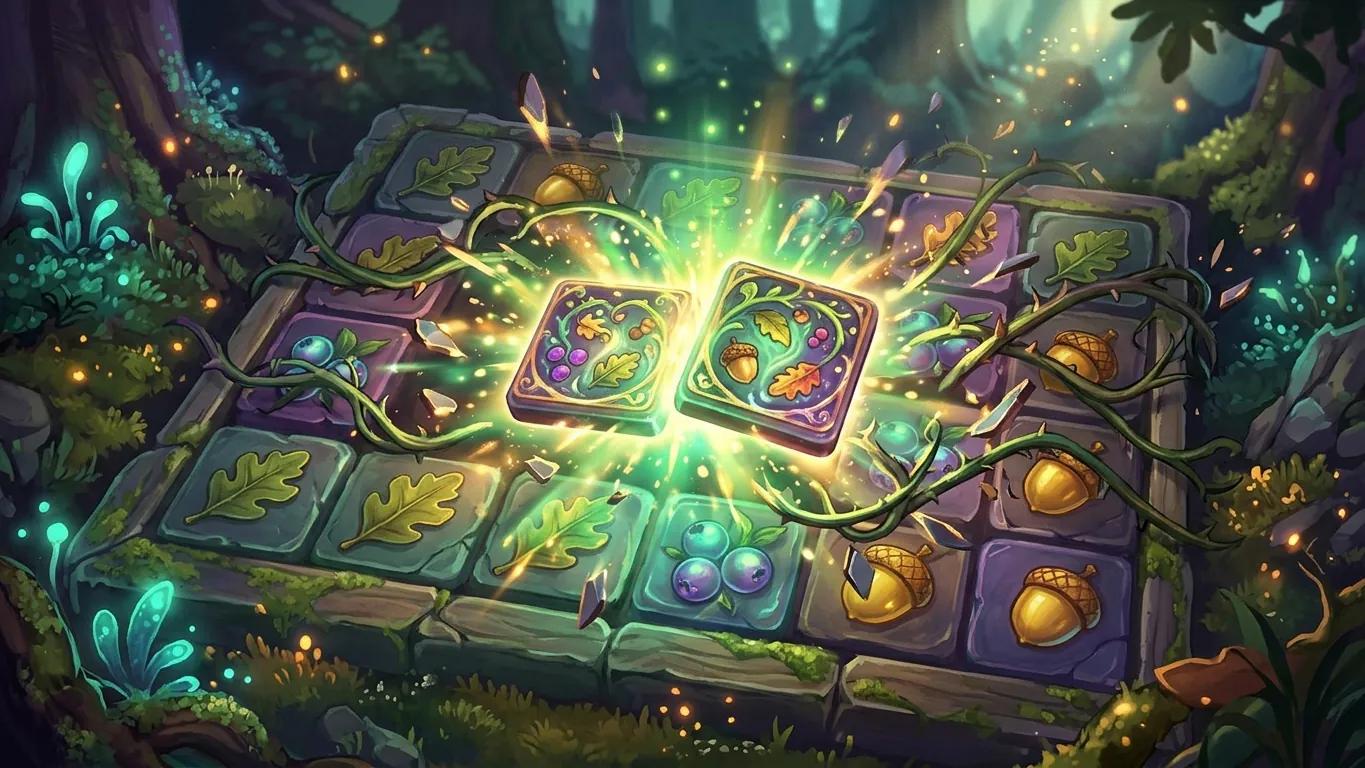 Planning moves on enchanted tile boards
A practical guide to reading forest puzzle boards, creating special tiles, clearing vines and frost, and making every move count on tricky levels.
Read more